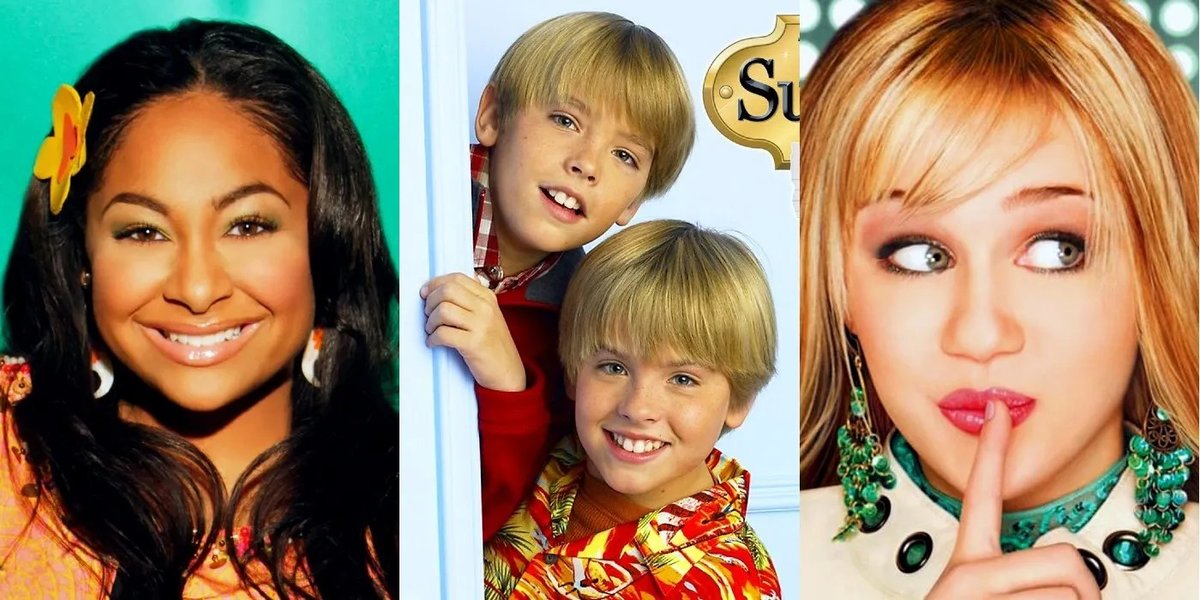
Remember those after-school hours, glued to the TV, waiting for your favorite show to start? For a generation, that meant tuning into Disney Channel, where a parade of quirky characters, relatable dilemmas, and catchy theme songs defined an era. But when we talk about The Golden Age of Disney Channel Sitcoms, are we all thinking of the same shows? Was it a fleeting moment, a sustained period, or simply a rosy lens of nostalgia?
This isn't just a trip down memory lane. It's an exploration into what truly made certain Disney Channel sitcoms resonate, analyzing the characteristics that elevated them beyond mere kids' programming and cemented their place in pop culture history. We’ll dissect the timeline, celebrate the pioneering shows, and clarify why some periods shone brighter than others.
At a Glance: Defining Disney Channel's Golden Age
- The True "Golden Age" (The Experimental Era): Primarily 2000-2005.
- Key Characteristics: Original concepts, family-focused humor, character-driven plots, less formulaic, minimal overt commercialization of stars within shows.
- Pioneering Sitcoms: Lizzie McGuire, Even Stevens, That's So Raven, The Suite Life of Zack & Cody (early seasons).
- Why It Stands Out: Authenticity, relatable adolescent experiences, innovative comedic structures.
- The Shift (The "Dark Age"): Post-2005, marked by shows like Hannah Montana and a move towards more formulaic, star-driven content often intertwined with music careers.
- Lasting Legacy: These shows shaped comedic sensibilities and emotional intelligence for millions, proving that youth-oriented content could be both entertaining and meaningful.
More Than Just Nostalgia: Pinpointing the True Peak
The term "golden age" is often subjective, tinged with personal experience and the warmth of childhood memories. However, a closer look at the evolution of Disney Channel's live-action sitcoms reveals a distinct period that truly stands apart in terms of innovation, quality, and universal appeal. As one Reddit user astutely observed, the network has gone through several phases, and what some consider a "golden age" (like the mid-2000s through 2010s) might, upon critical inspection, actually represent a shift towards more formulaic programming.
The consensus, supported by critical analysis and fan sentiment, points to what has been dubbed the "experimental era" as the true Golden Age of Disney Channel Sitcoms. This period roughly spanned from 2000 to 2005. What made this window so special? These shows didn't just entertain; they broke new ground, appealing to wider family audiences rather than just preteen girls, and focused on compelling storytelling without becoming glorified promotional vehicles for burgeoning music careers.
They weren't afraid to experiment with formats, tackle more nuanced themes, or let characters simply be without a constant, high-octane plot. It was a time when originality was king, and the "Disney Channel Feel" hadn't yet been codified into a predictable formula. This era set a high bar, influencing subsequent generations of creators and cementing a legacy of genuinely memorable television.
The Dawn of a New Era: Pioneers and Pathfinders (2000-2003)
Before the turn of the millennium, Disney Channel programming was a mix of syndicated content, movies, and a few original series that hadn't quite hit their stride in the sitcom space. The new decade brought with it a fresh vision, kickstarting what we now celebrate as the golden era.
Lizzie McGuire (2001-2004): The Blueprint
If there's one show that truly heralded the start of The Golden Age of Disney Channel Sitcoms, it's Lizzie McGuire. Starring Hilary Duff, this series was a revelation. It blended live-action storytelling with animated internal monologues, giving viewers direct access to Lizzie's often-anxious, always-relatable teenage thoughts.
- Why it worked:
- Authenticity: Lizzie grappled with everyday middle school problems—friendship drama, crushes, embarrassing parents, self-consciousness—that felt incredibly real.
- Innovative Format: The animated "Lizzie" provided comic relief and a unique narrative voice, setting it apart from other shows.
- Strong Characters: Lizzie, Gordo, and Miranda felt like real friends, while her family—Matt, Jo, and Sam McGuire—were a perfectly dysfunctional unit, grounding the show in relatable domestic chaos.
- Focus on Growth: Each episode offered a small lesson in navigating adolescence, without being preachy.
Lizzie McGuire proved that Disney Channel could produce smart, heartfelt, and genuinely funny sitcoms that spoke directly to its target audience while still being enjoyable for parents. It paved the way for more character-driven narratives and set a standard for quality in its early years.
Even Stevens (2000-2003): Controlled Chaos and Family Fun
Premiering just before Lizzie, Even Stevens was a masterclass in slapstick comedy and sibling rivalry. The show centered on the Stevens family, particularly the stark contrast between the ambitious, perfect older sister Ren and her mischievous, accident-prone younger brother Louis.
- Why it worked:
- Physical Comedy: Louis Stevens, played brilliantly by Shia LaBeouf, was a force of nature, constantly embroiled in outlandish schemes that often backfired spectacularly.
- Family Dynamics: The show perfectly captured the love-hate relationship between siblings, the exasperation of parents, and the underlying bond that held them together.
- Ensemble Cast: Beyond Louis and Ren, characters like Beans, Twitty, and Alan added layers of quirky humor and support.
- Humor for All Ages: While the pranks appealed to younger viewers, the witty dialogue and character interactions had parents chuckling too.
Even Stevens solidified the idea that Disney Channel sitcoms could be laugh-out-loud funny while still featuring a strong family core. It prioritized character relationships and comedic situations over any overt star-making agenda, perfectly embodying the "experimental" spirit.
The Peak Performance: When Innovation Met Mass Appeal (2003-2005)
The foundation laid by Lizzie McGuire and Even Stevens allowed Disney Channel to hit its stride, producing shows that not only continued the legacy of quality but pushed boundaries even further, culminating in the undisputed titans of the era. This period saw the network truly define its live-action comedic voice. For a deeper dive into the specific shows of this era, you might want to Explore 2000s Disney shows.
That's So Raven (2003-2007): Genre-Bending Brilliance
That's So Raven wasn't just a sitcom; it was a phenomenon. Starring Raven-Symoné as Raven Baxter, a teenager with psychic abilities, the show blended traditional high school hijinks with a fantastical element, creating a truly unique viewing experience.
- Why it worked:
- High Concept: The psychic visions provided endless comedic opportunities and plot drivers, often leading to Raven's elaborate (and often disastrous) attempts to alter the future.
- Masterful Physical Comedy: Raven-Symoné's facial expressions and physical humor were unparalleled, making her an instant comedic icon.
- Strong Supporting Cast: Her best friends Chelsea and Eddie, along with her family (Victor, Tanya, and Cory), formed a cohesive and hilarious unit, each contributing significantly to the show's charm.
- Themes of Acceptance: Despite her powers, Raven's core struggles were relatable: fitting in, dealing with crushes, and pursuing her dreams, often touching on themes of self-acceptance and embracing individuality.
That's So Raven was a powerhouse, demonstrating that Disney Channel could successfully merge fantasy with everyday teen life. It proved that a sitcom could be incredibly silly and heartfelt all at once, leading to a record-breaking run and a spin-off.
The Suite Life of Zack & Cody (2005-2008): Setting the Standard for Ensemble Comedy
Debuting at the tail end of this true golden age, The Suite Life of Zack & Cody quickly became a benchmark for ensemble comedy. Following mischievous twins Zack and Cody Martin (Dylan and Cole Sprouse) living in Boston's swanky Tipton Hotel, the show was a whirlwind of schemes, friendships, and delightful absurdity.
- Why it worked:
- Unique Setting: A luxury hotel provided a dynamic backdrop for endless comedic scenarios, from navigating the eccentric staff to interacting with a revolving door of quirky guests.
- Iconic Characters: From the uptight manager Mr. Moseby, the ditzy heiress London Tipton, to the down-to-earth candy counter girl Maddie, every character was distinct and memorable.
- Brotherly Chemistry: Dylan and Cole Sprouse had undeniable on-screen chemistry, perfectly portraying the contrasting personalities of the responsible Cody and the impulsive Zack.
- Witty Writing: The humor was sharp, often relying on clever dialogue and well-constructed situational comedy rather than just broad physical gags.
The Suite Life of Zack & Cody brought this "experimental era" to a triumphant close, showcasing what a truly strong ensemble cast and a novel premise could achieve. It captured the essence of lighthearted fun without sacrificing character development or genuine laughs. Its success, however, also marked a transition, with its longer run blurring the lines into the subsequent "dark age" as described by some critics.
The Shifting Tides: From Innovation to Formula (Post-2005)
While the shows mentioned above defined the true golden age, the landscape of Disney Channel programming began to shift significantly around 2006. This period, often called the "Dark Age" or "Tween Girl Era" by some, saw a marked change in the network's strategy.
The arrival of shows like Hannah Montana (2006-2011) was a game-changer. While immensely popular and a launching pad for Miley Cyrus's career, it also ushered in an era where sitcoms became increasingly intertwined with music promotion. The formula began to solidify: a young star with a secret identity or a special talent, surrounded by quirky friends, with a laugh track punctuating every punchline. The focus often veered towards creating pop culture icons and selling soundtracks, rather than solely on the comedic integrity or character development.
This isn't to say that later shows lacked charm or popularity. Hits like Wizards of Waverly Place (2007-2012), Good Luck Charlie (2010-2014), and Girl Meets World (2014-2017) are often cited as "diamonds in the rough" from this later period. They managed to recapture some of the earlier magic, focusing on family bonds, unique premises, and strong comedic performances. Wizards of Waverly Place echoed That's So Raven's blend of magic and mundane, while Good Luck Charlie delivered classic family sitcom vibes. Girl Meets World successfully leveraged nostalgia for Boy Meets World while introducing new characters and themes.
However, even these beloved shows often operated within a more defined "Disney Channel Feel"—a predictable structure, heightened reality, and often, a heavy reliance on a canned laugh track. The spontaneity and the subtle, character-driven humor of the earlier "experimental era" were less prevalent. The push for marketability and creating multi-platform stars became a more dominant force, changing the very DNA of Disney Channel sitcoms.
Hallmarks of a True Disney Channel Sitcom Classic
What distinguishes the shows of the golden age from their successors? It comes down to a few key elements that prioritized storytelling and genuine humor.
- Character-Driven Narratives: The plots sprang organically from the characters' personalities and their relationships, rather than characters serving a pre-set comedic situation. Lizzie's anxieties, Louis's mischief, Raven's visions, and Zack & Cody's contrasting antics were central to every story.
- Emphasis on Family and Friendship: These shows deeply explored the bonds within families (like the McGuires, the Stevens, the Baxters) and the dynamics of loyal friendships. These relationships formed the emotional core and often provided the most meaningful lessons.
- Clever, Layered Humor: While physical comedy was present, especially in Even Stevens and That's So Raven, the writing often included witty dialogue, observational humor, and situational comedy that appealed to both kids and adults. The humor wasn't solely reliant on broad gags or forced punchlines.
- Relatable Adolescent Struggles: From first crushes and school bullies to family arguments and identity crises, the shows tackled everyday problems with authenticity, helping young viewers feel understood.
- Original Concepts: The premises were fresh and unique. A girl talking to her animated alter-ego, a mischievous boy constantly pranking his family, a psychic teenager trying to fix the future, or twins living in a luxury hotel—these were truly original ideas that hadn't been overdone.
- Minimal Overt Music Promotion: While stars might have eventually pursued music careers, the sitcoms themselves were not designed primarily as vehicles to sell records. The focus remained squarely on the plot and characters, allowing any musical elements to feel organic rather than forced. This allowed the sitcoms to stand on their own merits. You can still Explore 2000s Disney shows from this era and appreciate their unique qualities.
Beyond the Screen: The Cultural Impact
The impact of The Golden Age of Disney Channel Sitcoms extends far beyond ratings. These shows weren't just entertainment; they were cultural touchstones that shaped the childhoods of millions. They fostered a sense of community, providing shared experiences and inside jokes that resonate to this day.
They also played a significant role in creating a new generation of "Disney Stars." Unlike later eras where stars often arrived with pre-existing musical aspirations, many actors from the golden age, like Hilary Duff, Shia LaBeouf, and Raven-Symoné, became stars because of their sitcom roles, later leveraging that fame into successful careers in music, film, and television. The shows were the primary vehicle, not the secondary one.
This era cultivated a fan base that wasn't just passive viewers but active participants, eagerly discussing theories, mimicking catchphrases, and connecting with the characters on a deeply personal level. The shows offered comfort, escapism, and a consistent source of laughter and lessons. The themes of friendship, family, honesty, and self-acceptance were woven into narratives that were genuinely entertaining, making these lessons stick without feeling didactic.
Revisiting the Magic: Why These Sitcoms Endure
Decades later, why do these specific sitcoms from the early 2000s continue to hold such a special place in our hearts?
- Timeless Themes: The core issues addressed in Lizzie McGuire, Even Stevens, and That's So Raven—friendship, identity, family dynamics, school struggles, and fitting in—are universal and transcend specific time periods.
- Nostalgia Factor: For those who grew up watching them, these shows evoke powerful memories of a simpler time. Re-watching them is a comforting embrace of childhood.
- Genuine Quality: Beyond nostalgia, the shows were genuinely well-written, well-acted, and creatively produced. Their quality stands up to repeat viewings, revealing layers of humor and heart that might have been missed the first time around.
- Accessibility: With the advent of streaming services, these classics are readily available, making it easy for original fans to revisit them and new audiences to discover their charm. It's never been easier to Explore 2000s Disney shows and see for yourself.
Was There a Second "Experimental Era"?
The Reddit analysis mentioned a more recent "experimental era part II" from 2017 to the present, where Disney Channel is attempting to regain relevance and move away from the "formula" that dominated the "dark age." Shows like Andi Mack (which ended the "dark age" according to the source) and subsequent series have indeed tried to tackle more complex topics, experiment with serialization, and offer more diverse representation.
While this new era certainly strives for innovation, it's important to distinguish its goals and context from the original golden age. The 2000-2005 experimental era operated in a different media landscape, before the saturation of streaming and social media changed how young people consume content. Its "experimentation" was rooted in finding an authentic, comedic voice for a burgeoning network, while today's attempts are often about adapting to a fragmented digital world and competing with a vast array of content. Both are important, but the original "Golden Age" defined a foundational style that resonated deeply without the pressures of multi-platform branding in the same way.
Your Guide to Reliving the Disney Channel Golden Age
If you're feeling a pang of nostalgia or are curious to discover what made this era so special, now is the perfect time to dive back in.
- Start with the Staples: Begin with Lizzie McGuire to understand the foundation, then move to Even Stevens for pure comedic chaos, and That's So Raven for its genre-bending brilliance. Don't forget the early seasons of The Suite Life of Zack & Cody for ensemble excellence.
- Watch with New Eyes: As an adult, you'll likely pick up on subtle jokes, character nuances, and social commentary that flew over your head as a kid. The writing often had more depth than you might remember.
- Appreciate the Craft: Pay attention to the comedic timing, the character development over multiple seasons, and the unique elements that each show brought to the table. Notice the difference in production style compared to later Disney Channel shows.
- Share the Magic: Introduce these shows to younger family members or friends who might have missed out. It's a fantastic way to bond over shared entertainment and discuss the evolution of television for kids.
- Engage in Discussion: Online communities, forums, and social media groups are filled with fellow fans eager to discuss their favorite moments and characters. It’s a great way to deepen your appreciation for the lasting impact of these shows.
The Golden Age of Disney Channel Sitcoms wasn't just a period of popular programming; it was a testament to the power of original storytelling, relatable characters, and genuine humor. It set a standard that continues to influence youth entertainment and remains a cherished memory for a generation. So, grab some popcorn, settle in, and rediscover the magic of a truly golden era. You might just find yourself saying, "That's so fetch!" or at least, "That's so Raven!"