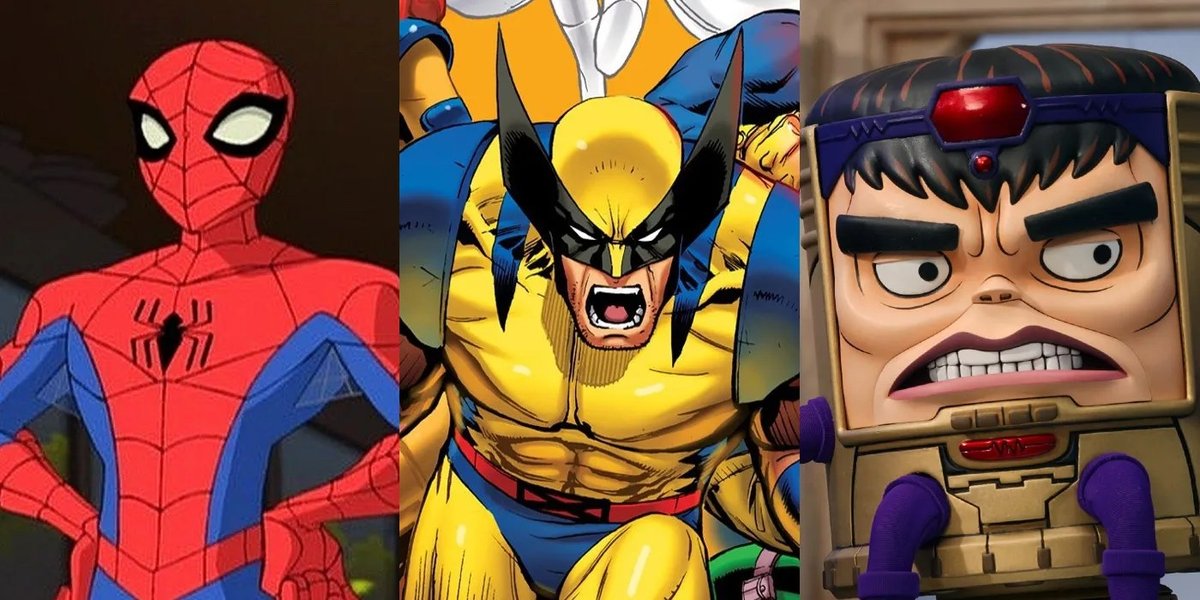
From the whimsical worlds of talking animals to the gritty realities of interdimensional travel, Beloved Animated Series and Adaptations have woven themselves into the fabric of our collective consciousness, shaping generations of viewers. They are more than just moving pictures; they are cultural touchstones, sources of comfort, and platforms for groundbreaking storytelling that defy the limitations of live-action.
These animated tales, whether born from original concepts or breathing new life into cherished comics and games, resonate because they speak a universal language. They invite us to laugh, cry, think, and dream, often leaving an indelible mark long after the credits roll.
At a Glance: Your Guide to Animated Legacies
- Beyond Cartoons: Discover why animated series are powerful storytelling mediums, not just child's play.
- Era-Defining Icons: Journey through the shows that shaped animation, from slapstick classics to modern masterpieces.
- Genre Busters: Explore how animation tackles dark comedy, sci-fi, philosophical themes, and social commentary.
- The Adaptation Art: Understand how beloved stories transition from page or screen to animation, often with new twists.
- Lasting Impact: Uncover the reasons why certain animated series remain culturally relevant and endlessly rewatchable.
The Enduring Magic of Moving Pictures: Why Animation Matters
Animation has come a long way from its silent-era beginnings. Today, it’s a vibrant, diverse, and often boundary-pushing art form that commands critical respect and massive fan bases. What makes a series "beloved"? Often, it's a potent mix of unforgettable characters, innovative storytelling, distinct visual styles, and themes that connect on a deeply human level. Whether driven by user votes on platforms like Ranker (which compiled "The 500+ Best Animated TV Shows Ever Made") or curated by discerning critics at IndieWire, the conversation around top animated series always circles back to their profound impact.
These shows don't just entertain; they educate, inspire, and often tackle complex issues with a unique blend of accessibility and depth. They prove that imagination, when paired with artistic vision, can create entire worlds that feel as real as our own.
Charting the Eras: Iconic Series That Defined Their Times
Every decade has its animated champions, shows that not only captured the zeitgeist but also pushed the medium forward. From the pioneering days of television animation to the digital age, these series left an unmistakable legacy.
Slapstick Legends & Timeless Comedy
Before complex narratives became the norm, pure, unadulterated comedy reigned supreme. These shows mastered the art of physical humor and enduring gags, creating characters that are instantly recognizable worldwide.
- Tom and Jerry (1940-present): This action-packed, slapstick show about a cunning cat and a mischievous mouse is a masterclass in visual comedy. Despite their eternal chase, they often display an unspoken bond, making their misadventures universally hilarious.
- Looney Tunes (1930-present): Featuring iconic characters like Bugs Bunny and Daffy Duck, Looney Tunes set the standard for comical situations, witty dialogue, and trademark catchphrases that are still quoted today.
- Popeye the Sailor (1960-1963): Based on the comic strip, this prolific TV series produced 220 cartoons in two years, ensuring the spinach-powered sailor remained a public fixture, even with rudimentary animation.
- The Flintstones (1960-1966): As the first animated series in primetime, The Flintstones offered a satirical take on modern suburban culture using Stone Age elements. Inspired by "The Honeymooners," it earned an Emmy nomination and paved the way for future animated sitcoms like "The Jetsons."
Mystery, Adventure, and the Power of Friendship
Many beloved animated series grounded themselves in exciting quests, intriguing mysteries, or the simple joy of companionship, often becoming a child's first introduction to these genres.
- Scooby-Doo, Where Are You! (1969-1970): This two-season Hanna-Barbera title launched an enduring franchise, following a lovable Great Dane and his mystery-solving teen friends through spooky locales. Famous for its catchphrases, chase scenes, and light horror, it’s a quintessential example of kid-friendly detective stories. Ranker highlights its enduring popularity, placing it high among the best.
- Dexter’s Laboratory (1996-2003): This Cartoon Network hit, lauded by IndieWire, showcased boy genius Dexter whose elaborate experiments are constantly foiled by his boisterous sister Dee Dee. It was a launching pad for Genndy Tartakovsky's prominent career in animation.
- Alvin and the Chipmunks (1983-1990): Reviving the 1960s singing trio, this series gained a large following, introducing the Chip-ettes and inspiring films and future revivals.
- Rugrats (1991-2004): One of Nickelodeon's early successes, Rugrats cleverly combined humor for both children and adults through the brave baby Tommy Pickles and his friends. It became a franchise behemoth, demonstrating the power of relatable infant adventures.
- DuckTales (1987-1990): This classic Disney series, mentioned by IndieWire, captivated audiences with the adventures of Scrooge McDuck and his nephews, inspiring a beloved reboot decades later. If you're looking for more classic animation from that era, including shows like this, you might explore your hub for 2000s Disney shows for similar vibes and more from the House of Mouse.
Building Worlds: Fantastical Journeys and Epic Storytelling
Some animated series transcend simple entertainment, crafting rich mythologies and complex characters that resonate deeply with audiences, often across multiple age groups.
- Avatar: The Last Airbender (2005-2008): Praised by both Ranker and IndieWire, this series features a young hero harnessing four elements to restore balance in a war-torn world. It's lauded for its rapid world-building, lush visuals, and elemental approach to conflict, setting a high standard for storytelling. Its sequel, The Legend of Korra (2012-2014), continued to introduce complex themes, social commentary, and depicted groundbreaking same-sex romance, further cementing the franchise's legacy.
- SpongeBob SquarePants (1999-present): Stephen Hillenburg's absurdist underwater formula, centered on optimistic SpongeBob and his eccentric friends, is Nickelodeon's longest-running animated series. Both Ranker and IndieWire highlight its universal appeal, multi-Emmy wins, and global phenomenon status.
- Pokémon (1997-present): This anime juggernaut, based on the Nintendo Gameboy games, continues to follow Ash Ketchum and Pikachu's quest. Its massive impact on the Fox network in the 1990s and ongoing success showcase its enduring power.
- Sailor Moon (1992-1997): An influential anime featuring Usagi, a relatable 14-year-old who becomes Sailor Moon, joining other galactic soldiers. IndieWire notes its strong messages of loyalty, kindness, and friendship, inspiring a revival with "Sailor Moon Crystal."
- X-Men: The Animated Series (1992-1997): Faithfully adapting Marvel Comics' melodramatic mythology, this series tackled discrimination and complex storylines like the Dark Phoenix Saga. Its recent revival, "X-Men ’97," proves its lasting impact.
- Gargoyles (1994-1997): A mid-1990s series blending magic, science fiction, and Shakespeare, depicting mythical gargoyles that come alive at night. IndieWire celebrates its tale of family, romance, and crazy plot elements.
Pushing Boundaries: Animation for Mature Audiences and Niche Cults
The perception of animation as solely for children has long been debunked, particularly by shows that explore dark themes, adult humor, and philosophical questions. These series often cultivate passionate cult followings.
Dark Humor, Satire, and Social Commentary
Animation provides a unique lens through which to critique society, often with a biting wit and visual flair that live-action struggles to match.
- Rick and Morty (2013-present): This science fiction dark comedy pairs a morally ambiguous mad scientist with his naive grandson for interdimensional travels. Ranker praises its mix of humor with thought-provoking commentary, while IndieWire recognizes its impact on adult animation.
- Invader Zim (2001-2006): Nickelodeon's dark comedy, set in a bleak cyberpunk world, follows an invading alien and a crackpot elementary schooler. Known for its unique, hyper-stylized animation, IndieWire describes how its schemes consistently fail due to ineptitude.
- The Boondocks (2005-2014): Aaron McGruder's adaptation offered complex and funny takes on race with an anime-influenced style and strong vocal performances, as highlighted by IndieWire.
- Harley Quinn (2019-present): An unfiltered, unapologetic adult-aimed show, Harley Quinn brings depth to DC peripheral figures. IndieWire praises how Harley, Poison Ivy, and their misfit supervillains poke fun at the comics world with romance, danger, and absurdity.
- Robot Chicken (2005-present): This Adult Swim stop-motion sketch show mines pop culture, creating an absurdist collage using recognizable toys as puppets, mixing the sacred with the profane.
- Aqua Teen Hunger Force (2001-2015): A defining Adult Swim series featuring anthropomorphic fast-food mascots floating through life with meaningless surreal antics. Defined by its grungy animation, empty world, and nihilistic stoner comedy, according to IndieWire.
- Moral Orel (2005-2008): This Adult Swim claymation series deconstructed the adult animated sitcom, starting as satire about naive Orel Puppington and growing darker into a full psychological drama, particularly after a traumatic event, showcasing animation's capacity for deep character study.
Sci-Fi, Philosophical Deep Dives, and Existential Musings
Animation's limitless possibilities make it an ideal medium for exploring complex scientific concepts, philosophical dilemmas, and the very nature of existence.
- Futurama (1999-2013, with ongoing revivals): Matt Groening's sci-fi animated series is celebrated by IndieWire for its smart comedy, puns, visual gags, and the relationships between Fry, Leela, and Bender. Its resilient cult fanbase led to a Hulu revival.
- Star Wars: Clone Wars (2003-2005): Genndy Tartakovsky's visually stunning Lucasfilm series is a respected entry in the Star Wars Expanded Universe, released during the prequel trilogy and demonstrating how animation can expand established lore.
- The Midnight Gospel (2020): A Netflix visual playground where Clancy broadcasts interviews (from The Duncan Trussell Family Hour podcast) in a rainbow-colored reality. IndieWire describes it as escaping zombies, pondering death, and confronting mortality with dazzling visuals.
- Undone (2019-2022): This Prime Video rotoscope-animated series explores memory, loss, and generational weight through a car crash survivor who discovers she can time travel. IndieWire highlights its unique, fluid visual style and existential exploration.
- Aeon Flux (1991-1995): MTV's animated series by Peter Chung is known for its influence, blending American and Japanese styles for a politically dense sci-fi tale of a secret agent against a dystopian regime, using minimal dialogue and dazzling visuals.
Innovators & Pioneers: How Animation Evolved
The history of beloved animated series is also a story of relentless innovation, with creators constantly experimenting with new technologies, artistic styles, and narrative structures.
Technological Milestones
- Reboot (1994-2001): From Canada, this was the first completely computer-animated series. IndieWire notes its quality animation and meta-jokes about coding and gaming, setting a precedent for CGI in TV.
- Dr. Katz, Professional Therapist (1995-2002): A unique adult animation using Squigglevision, repurposing real stand-up comedy bits into therapy sessions for celebrity clients. This distinct visual style became synonymous with a certain era of adult cartoons.
- Primal (2019-2022): Genndy Tartakovsky's dialogue-free series chronicling a human-dinosaur partnership. IndieWire praises its depiction of nature's ruthlessness and an authentic wordless bond, marrying story to craft through visual language and sound, proving the power of animation beyond dialogue.
Breaking New Ground in Storytelling
Beyond technology, creators have also pushed narrative boundaries, tackling themes rarely seen in animation, or presenting them in revolutionary ways.
- Revolutionary Girl Utena (1996-1998): This dense, symbolic anime explores gender and sexual identity through avant-garde surrealism and a blossoming queer relationship, a groundbreaking move for its time.
- Over the Garden Wall (2014): A 10-part miniseries winning an Emmy, praised for its whimsical, mysterious, and melancholic beauty. It follows half-brothers lost in the Unknown forest, encountering enchanting characters, showing the impact a short, focused series can have.
- Tuca & Bertie (2019-2022): Created by Lisa Hanawalt, this show stars Tiffany Haddish and Ali Wong as a toucan and songbird navigating adulthood challenges, blending zany B-plots with moving revelations about adult friendships. IndieWire highlights its unique blend of humor and emotional depth.
The Adaptation Phenomenon: Breathing New Life into Cherished Stories
Many of the most beloved animated series aren't entirely original concepts. They draw from a rich tapestry of comic books, video games, graphic novels, and even other films, transforming them into new animated experiences. The art of adaptation lies in capturing the essence of the source material while also bringing fresh perspectives and creative interpretations.
- My Adventures With Superman (2023-Present): This Adult Swim anime-inspired series portrays Clark Kent as an awkward, insecure young man, with a strong focus on his rom-com relationship with Lois Lane. IndieWire notes its fresh take on an iconic hero, proving that even well-known characters can find new life through animation.
- Scott Pilgrim Takes Off (2023): A Netflix anime based on Bryan Lee O’Malley’s graphic novels, featuring the original movie cast. IndieWire praises its new, meta-story that deviates from the original plot, cleverly commenting on nostalgia and expectations. This adaptation chose to innovate rather than merely replicate, leading to an intriguing new narrative.
- From Comics to Screen: Series like Superman: The Animated Series (1996-2000) (which made Superman more engaging by showing him as durable but not impervious) and Darkwing Duck (1991-1992) (a superhero parody) show how animation can expand the worlds of comic book heroes, offering new depths and humorous takes.
- Gaming Worlds Unleashed: The success of Pokémon (1997-present) as a global phenomenon, originating from Game Boy games, is a testament to how well animation can translate interactive experiences into compelling serialized narratives.
- The Boondocks (2005-2014), adapted from Aaron McGruder's comic strip, demonstrates how animation can amplify social commentary and satire from print to a wider audience, thanks to its distinct visual style and strong voice performances.
Successful adaptations often walk a tightrope: respecting the original while taking bold new steps. When they get it right, they don't just entertain existing fans but also introduce classic stories to entirely new generations, creating a cycle of appreciation and discovery.
The Enduring Legacy: Why These Shows Stick With Us
What is it about certain animated series that makes them "beloved"? It's more than just fleeting entertainment; it's a combination of factors that ensure their place in our cultural landscape.
- Relatability: Whether it’s Aang's quest for balance in Avatar: The Last Airbender, SpongeBob's eternal optimism, or the awkward friendships in Regular Show, viewers find pieces of themselves in these characters and their journeys.
- Unforgettable Characters: Bugs Bunny, Pikachu, Homer Simpson, Rick and Morty—these aren't just drawings; they're personalities that become almost like friends or family members, woven into our personal narratives.
- Timeless Themes: The struggle between good and evil, the search for identity, the importance of friendship and family, the joy of discovery—these universal themes are explored in countless animated series, making them relevant across generations.
- Artistic Expression: From the stunning visuals of Samurai Jack (Genndy Tartakovsky's martial arts masterpiece, winning eight Emmys for its beautiful animation) to the unique Squigglevision of Dr. Katz, the craft itself is often a source of deep appreciation.
- Nostalgia and Discovery: For many, rewatching an old favorite is a trip down memory lane. For newer generations, discovering classics through streaming platforms like Amazon Prime, Hulu, HBO Max, Paramount+, Disney+, and Netflix keeps these series alive and introduces them to fresh eyes. The accessibility of a vast library of animated content ensures that what was beloved yesterday can be discovered and loved today.
These shows contribute to a shared cultural literacy, providing common references, inside jokes, and philosophical concepts that permeate our conversations and media. They remind us that animation is not a genre but a medium, capable of telling any story imaginable, with heart, humor, and profound depth.
Your Animated Journey: Discovering (or Rediscovering) Your Next Favorite
The world of beloved animated series and adaptations is vast and ever-expanding. Whether you’re looking for a nostalgic trip back to your childhood or eager to explore groundbreaking new narratives, there's a show out there for you.
- Start with the Classics: Dip your toes into the enduring humor of Looney Tunes or Tom and Jerry, or the pioneering sitcom style of The Flintstones.
- Explore World-Building: Immerse yourself in the rich narratives of Avatar: The Last Airbender or Sailor Moon to see animation's capacity for epic storytelling.
- Challenge Your Perceptions: Dive into the adult-oriented worlds of Rick and Morty, The Boondocks, or Harley Quinn to experience animation's darker, more satirical side.
- Seek Out Innovation: Look for shows known for their unique animation styles or narrative structures, like Undone, Primal, or Revolutionary Girl Utena.
Don't just watch passively; engage with the stories, appreciate the artistry, and understand the cultural conversations these shows spark. The vibrant landscape of animation is a testament to human creativity, and every beloved series offers a unique window into imagination, often leaving you a little more thoughtful, a little more amused, and a lot more connected to the stories that truly shape us.